
At the exact moment when December 31, 2025 comes to an end in Canada,
the very same second is experienced worldwide —
yet it is recorded under three different calendar systems.
This difference is not caused by time zones or clock offsets,
but by how civilizations define the starting point of time itself.
🔹 The Gregorian Calendar
Under the globally adopted Gregorian Calendar,
the moment is recorded as December 31, 2025 —
the official end of the year used by governments, markets, and digital systems.
It is a solar calendar based on Earth’s orbit around the sun.
🔹 The Ethiopian Calendar
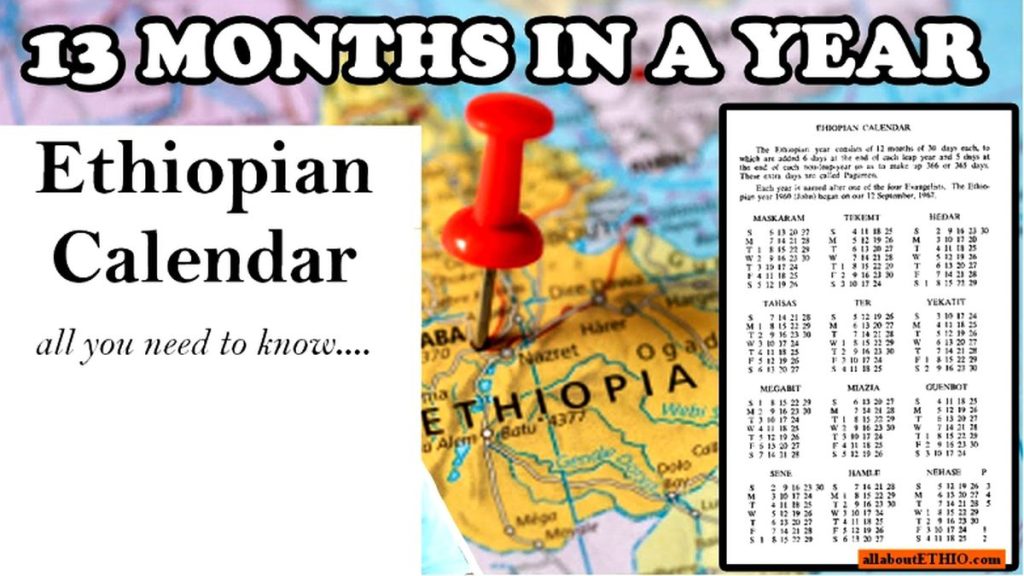
In Ethiopia,
the same moment is recorded as part of the year 2018,
according to the Ethiopian Calendar.
This calendar:
- Is solar
- Has 13 months
- Shares the same seasonal cycle
- Differs only in its historical starting point
In essence:
the same sun, the same year — a different count.
🔹 The Islamic (Hijri) Calendar
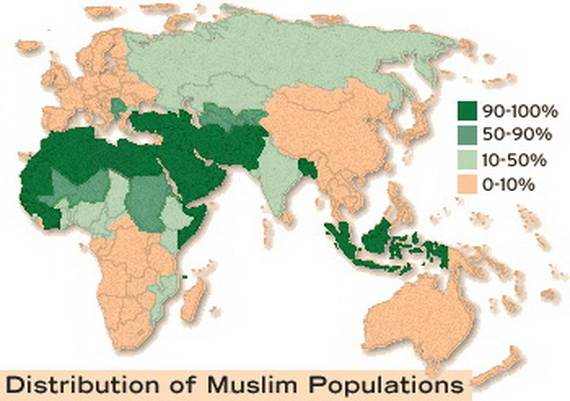
In the Islamic world,
the moment is recorded as 10 Rajab 1447 AH,
according to the Islamic Calendar.
This calendar is lunar:
- Based on moon cycles
- Shorter yearly duration
- Months shift across seasons
Yet again,
the moment itself remains unchanged.
🧠 Final Insight
There are not three timelines —
only three lenses through which time is measured.
Time is universal.
Calendars are cultural.